Female Fertility Tests

Understand Your Cycle From the Inside From the Inside

Understand Your Cycle From the Inside From the Inside

Check uterine structure, endometrial lining, and pelvic health with scan-based diagnostics—so you know what’s normal, what needs attention, and what to do next.

Why this matters

Diagnostics

Even when ovulation looks normal and basic reports seem “fine,” hidden tubal blocks or deeper fertility factors can still delay conception. Tubes and advanced screening help you understand:

Why Tubes & Advanced Screening Matter

Who are these Test Recommended for

Recommended if you:

Creating a plan based on your goals—now or later

We start by helping you understand your body and your options clearly—without fear, pressure, or confusion. You deserve calm, honest guidance from the very first conversation.

Tubes and Advance Screening

Care for every stage of your fertility journey.

Understanding fertility shouldn’t feel confusing. So instead of presenting everything at once, we help you navigate your journey step by step offering only what’s relevant to your stage, your history, and your goals. Clear guidance, simple explanations, and honest next steps.

Fallopian Tube Patency Tests (to check if tubes are open)

HSG (Hysterosalpingography)

  • X-ray dye test to check tube patency and the shape of the uterine cavity.

2) HyCoSy / Sono-HSG (Contrast Ultrasound for Tubes) (where available)

  • Ultrasound-based contrast test to assess tubes opening (no X-ray), and uterine cavity view.

3) Laparoscopy + Chromopertubation (Dye Test) (selected cases)

  • Surgical evaluation where dye is passed to confirm tubal patency, often used when there’s suspicion of endometriosis/adhesions.

Advanced Pelvic Screening (hidden factors around tubes/implantation)

Pelvic ultrasound for endometriosis/adhesions markers

  • Focused scan looking for signs of endometriosis, cysts, or pelvic changes that may affect fertility.

5) SIS / Sonohysterography (Saline scan)

  • Looks inside the uterus for polyps/adhesions/submucosal fibroids (often paired before advanced steps).

6) Diagnostic hysteroscopy (when needed)

  • Direct uterine cavity check if imaging suggests an issue impacting implantation.

Advanced Blood Tests (selected based on history)

Implantation / pregnancy-loss focused screening (when indicated)

7) Thyroid panel

  • TSH ± Free T4 ± TPO antibodies (especially in recurrent loss/infertility workup)

8) Prolactin

  • Elevated levels can interfere with ovulation and luteal support.

9) HbA1c / fasting insulin / metabolic screening

  • Often used in PCOS, irregular cycles, or repeated failures to optimize outcomes.

Clotting / autoimmune screening (only when clinically indicated)


10) Antiphospholipid antibody panel (APS panel)

  • Typically includes lupus anticoagulant, anticardiolipin, anti-β2 glycoprotein (commonly checked in recurrent miscarriage scenarios).

Infection screening (based on risk factors)


Tests may be considered based on clinical suspicion/history (example: past pelvic infection, TB risk factors).


Genetic & Embryo-related Advanced Screening (case-dependent)

12) Karyotyping (couple genetic testing) (selected cases)

  • Considered in recurrent pregnancy loss or repeated IVF failure patterns.

13) Sperm DNA fragmentation (male advanced test) (if recurrent failures / unexplained cases)

  • Helps evaluate sperm DNA integrity beyond routine semen analysis.

14) PGT (Embryo genetic testing) in IVF (when doing IVF and indicated)

  • Screening embryos for chromosomal abnormalities in selected cases.

Take the step that brings clarity to your journey.

Our Thoughtful Steps

Our 4-Step Mitra Pathway

Instead of pushing you into the most complex treatment first, we move through a clear, transparent pathway.

Take the first step toward clarity and confidence.

Listen & Understand

We begin with a detailed conversation about your health, cycles, lifestyle, and previous reports. No rushed 5-minute consults.

Test & Map

We recommend only the tests that matter for your case—so we can identify the real blockers early (for both partners), without unnecessary panels or confusion.

Decode & Prevent

We walk you through every result in simple language, then build a preventive plan to improve outcomes—cycle support, nutrition, lifestyle, and targeted medical care before stepping into advanced treatment.

Step Up—Only If Needed

If your reports show you need intervention, we move step-by-step—timed cycles, IUI, IVF/ICSI—based on what’s clinically right for you, with clear timelines, transparent options, and ongoing support.

Trusted Expertise

Led by careful science.Grounded in real empathy.

Mitra Fertility & Beyond is led by, Dr. Vidyalatha, a fertility specialist with deep
experience in both preventive fertility care and advanced reproductive treatments.

Female Fertility Tests

What Tests you should Look Out For

Female fertility tests, explained clearly—so you know what to do, when to do it, and what your results mean.

Scan & Uterus Health

Ultrasound-based assessment of the uterus and ovaries to check follicle status, lining health, and common concerns like cysts, PCOS patterns, fibroids, or polyps. You’ll get a simple summary of findings and guidance based on what’s seen.

Hormones & Ovulation

Understand egg reserve, hormone balance, and whether ovulation is happening as it should. Tests are planned around the right cycle days for accurate results, followed by a clear explanation of what your markers indicate and what steps to take next.

Gallery

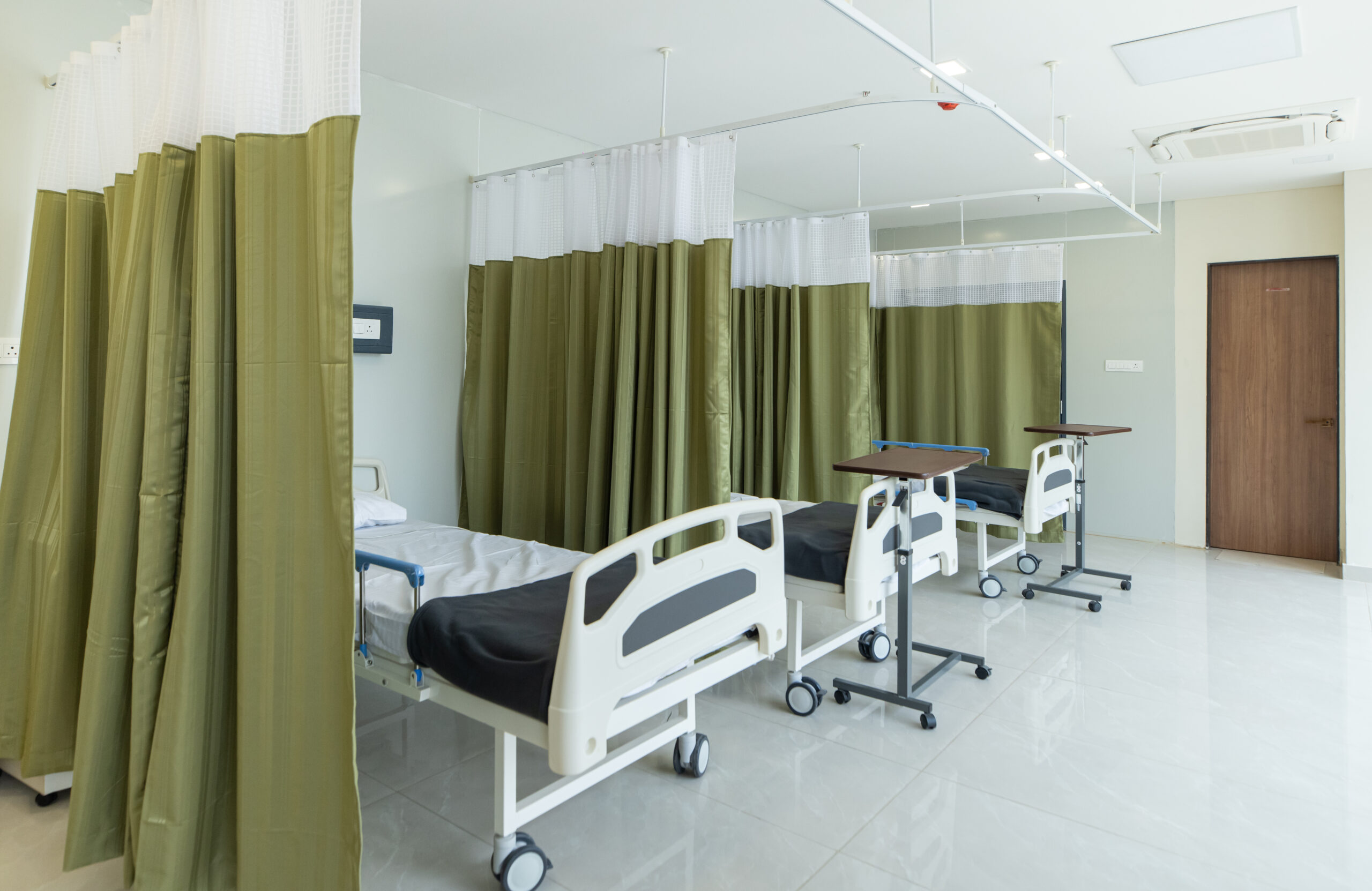
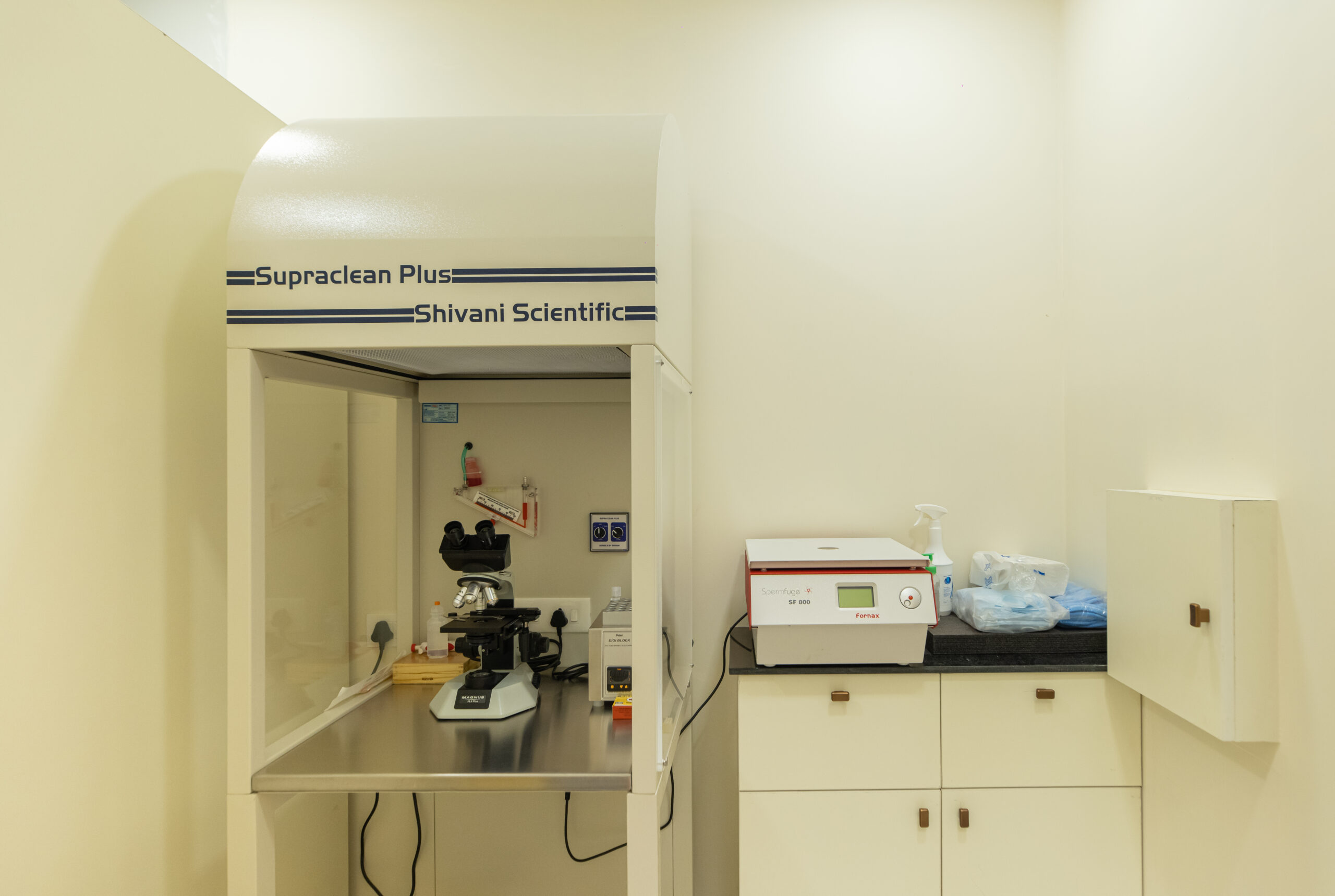
Care Begins with the Right Environment

Our interiors are designed to support comfort, clarity, and trust from the moment you walk in.

Female Fertility Tests

What Tests you should Look Out For

Female fertility tests, explained clearly—so you know what to do, when to do it, and what your results mean.

Hormones & Ovulation

Understand egg reserve, hormone balance, and whether ovulation is happening as it should. Tests are planned around the right cycle days for accurate results, followed by a clear explanation of what your markers indicate and what steps to take next.

Tubes & Advanced Screening

For cases that need deeper clarity—checking if the fallopian tubes are open and exploring underlying factors when symptoms or past reports suggest more evaluation. Only relevant tests are advised, with a focused plan to help you move forward confidently.

Need Clarity

Questions You Might Be Wondering About.

Honest answers to the things you’ve been quietly wondering.
What is a scan and uterus check in fertility evaluation?

It’s a set of ultrasound-based tests that assess the uterus, endometrial lining (uterine lining), ovaries, and sometimes the fallopian tubes—helping identify structural or timing-related factors that can affect conception and implantation.

Regular periods don’t always guarantee that the uterine cavity, lining development, or pelvic anatomy is ideal for implantation. A scan helps confirm whether the environment is supportive for pregnancy.

Scans can help identify fibroids, polyps, ovarian cysts, endometriosis markers, adenomyosis suspicion, uterine shape variations, and issues related to lining thickness or pattern.

A transvaginal scan is an internal ultrasound that provides a clearer view of the uterus and ovaries. It is usually not painful, though you may feel mild discomfort. It is safe and commonly used in fertility workups.

  • Early cycle (Day 2–5): baseline uterus/ovaries, cyst check, AFC

  • Mid-cycle: follicle growth and lining development

  • Post-ovulation: sometimes used for confirmation in select cases
    Your doctor will guide the timing based on your cycle pattern.

Endometrial thickness refers to the uterine lining measurement. The lining needs to develop appropriately during the cycle for implantation to occur. The scan helps assess whether the lining is progressing well for your cycle phase.