






Cryopreservation
Preserve today. Decide tomorrow
Cryopreservation is the safe freezing and storage of eggs, embryos, or sperm for future pregnancy planning. At Mitra Fertility & Beyond, we offer fertility preservation with clear medical reasoning, transparent timelines, and secure lab-to-storage protocols.
- Blocked or damaged fallopian tubes
- Low sperm count / motility issues
- Ovulation challenges (including PCOS)
- Book an expert Consultation
Trusted Expertise
What is cryopreservation?
Cryopreservation is a fertility preservation method where reproductive cells (eggs/sperm) or embryos are frozen at ultra-low temperatures and stored safely for future use.
Why people choose it:
Because fertility timelines don’t always match life timelines—health, career, personal readiness, or treatment plans can shift. Cryopreservation keeps options open without forcing rushed decisions.
Stored with Care. Protected with Standards.
Fertility preservation can feel like a rushed decision—full of jargon, timelines, and pressure. At Mitra, we take a calmer, more honest path. One that begins with clarity, and ends with secure, high-standard storage you can trust.
Mitra's Trust
Storage You Can Trust
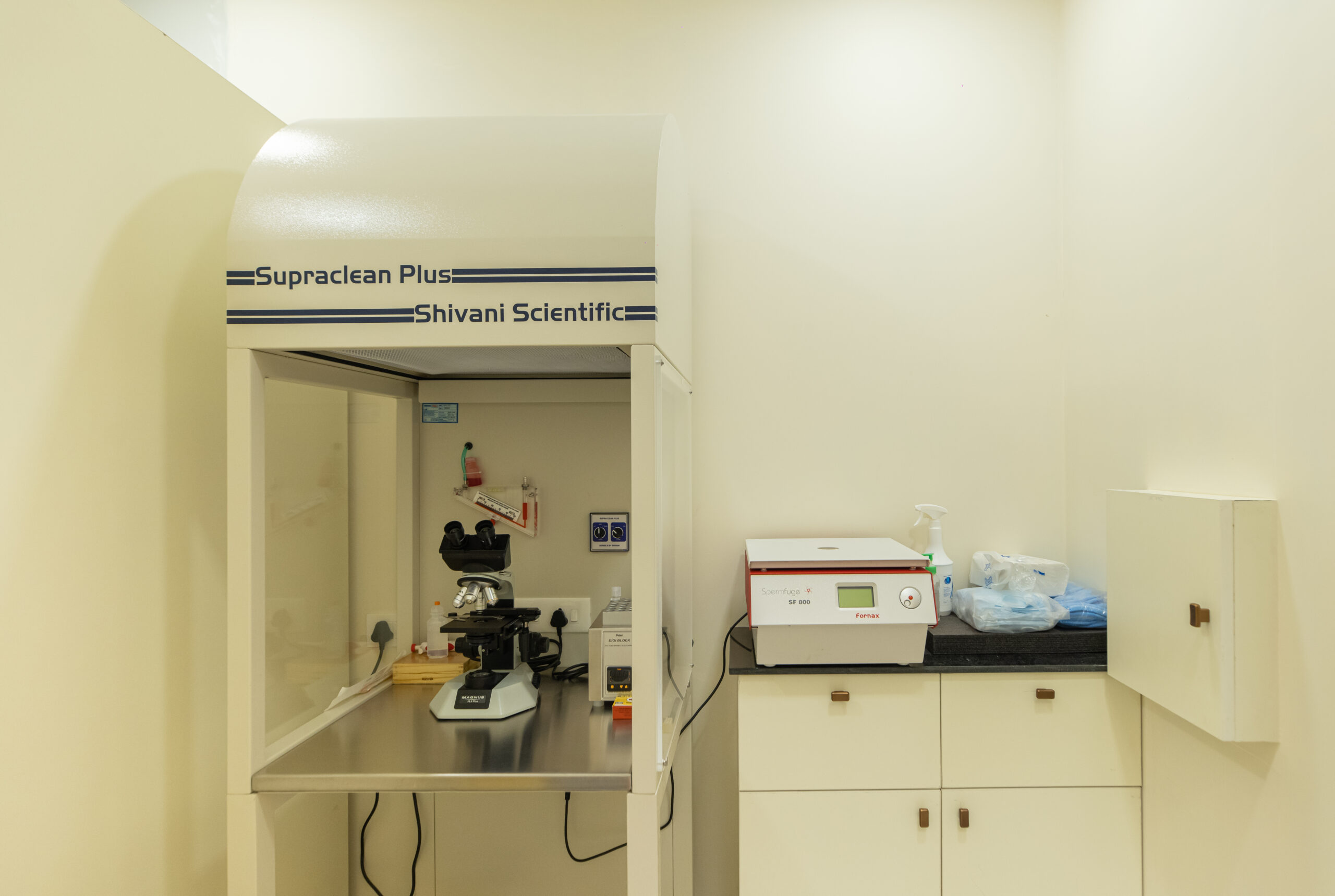
Cryopreservation isn’t just freezing—it’s long-term protection. Mitra’s facility is designed for stable, controlled storage conditions, so your eggs, embryos, or sperm are preserved with the care they deserve—from day one to the day you’re ready.
Lab-to-Storage Protocols That Protect Quality
What happens between collection and storage matters. Mitra follows strict, standardized handling protocols so samples are protected during every step—collection, labeling, freezing, storage, and future use—without gaps or guesswork.
Traceability & Safety at Every Step
When you freeze something this important, confidence matters. Mitra uses clear identification and tracking systems to ensure sample traceability, secure access, and reliable documentation—so your preservation plan stays safe, organized, and stress-free.
Our goal is simple
To give you peace of mind: a facility that preserves your fertility with high standards, clear protocols, and long-term safety—so your future decisions remain in your hands.
When cryopreservation makes sense
Fertility preservation planning
You want to preserve eggs/embryos earlier for future family plans
You’re delaying pregnancy for personal, career, or timing reasons
You’re concerned about age-related egg quality changes
You want options for a second child later
Medical and treatment-related reasons
Before cancer treatments (chemotherapy/radiation) or major surgeries
Before ovarian cyst surgery, endometriosis surgery, or treatments that may affect ovarian reserve
Before vasectomy or medical treatment affecting sperm quality
If you have conditions that may impact fertility over time (case-based)
During IVF/ICSI
You’re planning a “freeze and transfer later” approach
You want to preserve embryos for future attempts
You’re spacing out transfers for health, recovery, or uterine readiness
You’re planning genetic testing and need embryo freezing as part of the workflow
When you need a calm backup
It preserves your fertility window while you focus on health, recovery, life changes, or emotional readiness.
It gives you breathing room to plan without pressure, knowing your next step is protected.
It keeps future treatment options open—so when you’re ready, you can move forward with confidence and clarity.
Take the step that brings clarity to your journey.
Know More
Cryopreservatoin
What Mitra can freeze and store
We help you choose what to preserve based on your situation:
Egg freezing (Oocyte Cryopreservation)
Best when you want to preserve fertility before egg quality declines or before a medical treatment that may affect ovaries.
Embryo freezing (Embryo Cryopreservation)
Often chosen during IVF/ICSI cycles to preserve embryos for future transfer, planning a second child, or spacing attempts with less physical strain.
Sperm freezing (Semen Cryopreservation)
Useful when sperm availability may change (travel, surgery, medical treatment) or when you want to preserve a sample for future IVF/ICSI or IUI pathways.
Proof & Reassurance
Real journeys. Real conversations. Real outcomes.
These journeys show that clarity, care, and the right guidance can change everything.

Meera
Kondapur, Hyderabad
We were scared we would need IVF, but the team guided us gently and suggested a simpler treatment that worked. It felt like they truly cared about us, not just the procedure.

Rahul
Miyapur, Hyderabad

Sonia
Banjara Hills, Hyderabad

Karthik & Aditi
Gachibowli, Hyderabad

For the first time, a doctor actually listened to my full story. I left the consultation feeling calm, understood, and finally clear about my next steps with complete confidence.
Questions you might be afraid to ask (but should).
Is IVF painful?
Most people describe discomfort rather than pain. Egg retrieval is commonly done with sedation for comfort.
How long does one IVF cycle take?
Often 3–6 weeks, depending on protocol and response.
When is ICSI recommended?
Commonly for male-factor infertility or when fertilization support is needed.
Can embryos be frozen?
Yes. Suitable embryos may be frozen for future transfer (FET).
What are the key risks?
OHSS (rare), multiple pregnancy risk, and ectopic pregnancy are discussed during counselling
What if IVF doesn’t work the first time?
Your doctor will review the cycle, discuss what we learned, and suggest the next best step—without rushing.
Do we need tests before IVF?
Yes—tests help predict response and confirm the safest protocol.
Is IVF regulated in India?
Yes—ART services are covered under India’s ART regulatory framework.