Female Fertility Tests

Understand Your Cycle From the Inside From the Inside

Understand Your Cycle From the Inside From the Inside

Check egg reserve, hormone balance, and ovulation patterns with cycle-day–timed testing—so you know what’s working, what’s not, and what to do next.

Why this matters

Diagnostics

Even if periods are “regular,” hormones and ovulation can still be inconsistent. This testing helps you understand:

Why Hormones and Ovulation Testing Matter

Who are these Test Recommended for

Recommended if you:

Creating a plan based on your goals—now or later

We start by helping you understand your body and your options clearly—without fear, pressure, or confusion. You deserve calm, honest guidance from the very first conversation.

Hormone Tests

Care for every stage of your fertility journey.

Understanding fertility shouldn’t feel confusing. So instead of presenting everything at once, we help you navigate your journey step by step offering only what’s relevant to your stage, your history, and your goals. Clear guidance, simple explanations, and honest next steps.


Ovarian reserve

  • AMH (Anti-Müllerian Hormone) – estimates ovarian reserve (egg pool marker).
  • FSH (Follicle Stimulating Hormone) – baseline ovarian response signal (usually early cycle).
  • Estradiol / E2 – helps interpret FSH and follicle activity (usually early cycle).
  • Antral Follicle Count (AFC) (ultrasound, not blood) – counts resting follicles; complements AMH.

Ovulation & cycle function

  • LH (Luteinizing Hormone) – relates to ovulation trigger; also relevant in PCOS patterns.
  • Mid-luteal Progesterone – key blood test to confirm ovulation (timed after ovulation).
  • Serum β-hCG (as needed) – confirms pregnancy if period is delayed/uncertain.

Thyroid (cycle + conception support)

  • TSH
  • Free T4 (± Free T3 when indicated)
  • Thyroid antibodies (TPO Ab ± Tg Ab) – often checked in infertility/recurrent loss workups.

Prolactin & PCOS / androgen-related hormones (when symptoms suggest)

  • Serum Prolactin – high levels can disrupt ovulation and cycle regularity.

  • Total & Free Testosterone

  • DHEA-S

  • SHBG

  • 17-Hydroxyprogesterone (selected cases; helps rule out specific endocrine causes)

Metabolic hormones impacting ovulation (commonly paired with PCOS)

  • Fasting glucose

  • Fasting insulin

  • HbA1c

  • Lipid profile (often done in PCOS/metabolic evaluation)

Take the step that brings clarity to your journey.

Our Thoughtful Steps

Our 4-Step Mitra Pathway

Instead of pushing you into the most complex treatment first, we move through a clear, transparent pathway.

Take the first step toward clarity and confidence.

Listen & Understand

We begin with a detailed conversation about your health, cycles, lifestyle, and previous reports. No rushed 5-minute consults.

Test & Map

We recommend only the tests that matter for your case—so we can identify the real blockers early (for both partners), without unnecessary panels or confusion.

Decode & Prevent

We walk you through every result in simple language, then build a preventive plan to improve outcomes—cycle support, nutrition, lifestyle, and targeted medical care before stepping into advanced treatment.

Step Up—Only If Needed

If your reports show you need intervention, we move step-by-step—timed cycles, IUI, IVF/ICSI—based on what’s clinically right for you, with clear timelines, transparent options, and ongoing support.

Trusted Expertise

Led by careful science.Grounded in real empathy.

Mitra Fertility & Beyond is led by, Dr. Vidyalatha, a fertility specialist with deep
experience in both preventive fertility care and advanced reproductive treatments.

Female Fertility Tests

What Tests you should Look Out For

Female fertility tests, explained clearly—so you know what to do, when to do it, and what your results mean.

Scan & Uterus Health

Ultrasound-based assessment of the uterus and ovaries to check follicle status, lining health, and common concerns like cysts, PCOS patterns, fibroids, or polyps. You’ll get a simple summary of findings and guidance based on what’s seen.

Tubes & Advanced Screening

For cases that need deeper clarity—checking if the fallopian tubes are open and exploring underlying factors when symptoms or past reports suggest more evaluation. Only relevant tests are advised, with a focused plan to help you move forward confidently.

Gallery

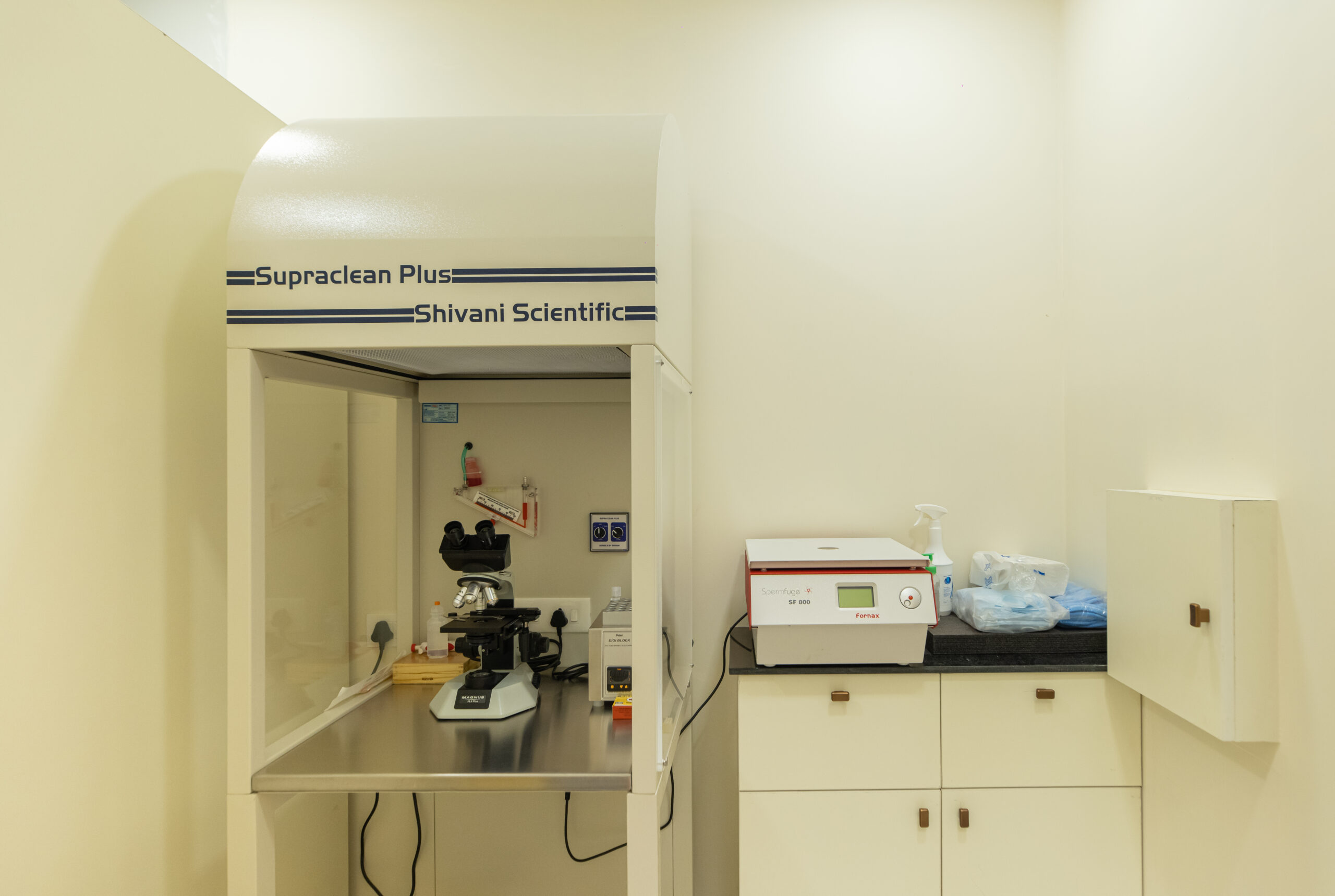
Care Begins with the Right Environment

Our interiors are designed to support comfort, clarity, and trust from the moment you walk in.
Need Clarity

Questions You Might Be Wondering About.

Honest answers to the things you’ve been quietly wondering.
What are hormones and ovulation tests?

These tests help understand whether your body is ovulating regularly and whether key reproductive hormones are balanced. They guide diagnosis and help plan the right treatment pathway.

If you have irregular cycles, difficulty conceiving, symptoms of PCOS, unexplained infertility, or you’re trying to plan pregnancy efficiently—ovulation testing can bring clarity early.

Ovulation is when an egg is released from the ovary. Without regular ovulation, timing becomes difficult and conception chances reduce—even if everything else is normal.

  • Cycle history + symptom tracking

  • Hormone blood tests (at specific cycle days)

  • Ultrasound follicle tracking

  • Mid-luteal progesterone test (confirms ovulation)

Hormones fluctuate across the menstrual cycle. Testing on the right day helps interpret results accurately—for example, certain baseline hormones are best checked early in the cycle.