

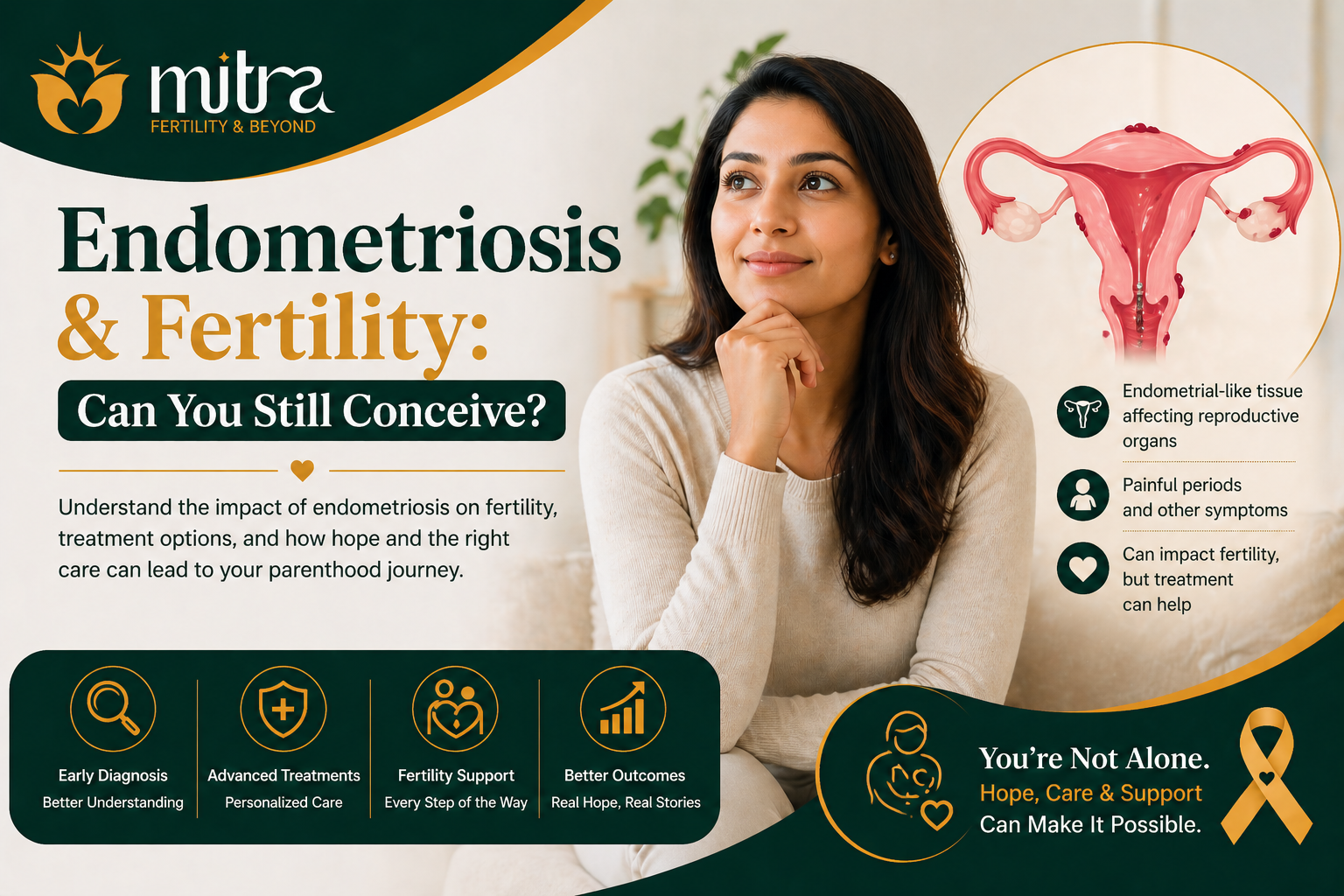
Endometriosis & Fertility: Can You Still Conceive?
Introduction
Endometriosis is a common condition that affects many women during their reproductive years. Along with symptoms like pelvic pain and irregular periods, it is also linked to fertility challenges.
But an important question remains:
Can you still conceive with endometriosis?
The answer is yes—many women with endometriosis go on to have successful pregnancies. Understanding the condition and available treatments can make all the difference.
Can you still conceive with endometriosis?
What is Endometriosis?
Endometriosis occurs when tissue similar to the lining of the uterus (endometrium) grows outside the uterus.
This can affect:
Ovaries
Fallopian tubes
Pelvic lining
These growths can lead to inflammation, scarring, and pain.
Ovaries
Fallopian tubes
Pelvic lining
How Does Endometriosis Affect Fertility?
Endometriosis can impact fertility in several ways:
1. Inflammation
Inflammation in the pelvic area can affect egg quality, sperm function, and embryo implantation.
2. Blocked Fallopian Tubes
Scar tissue can block or damage the fallopian tubes, preventing fertilization.
3. Ovarian Cysts (Endometriomas)
Cysts in the ovaries can interfere with egg release and quality.
4. Hormonal Imbalance
Endometriosis may disrupt the hormonal environment needed for ovulation and implantation.
Can You Get Pregnant with Endometriosis?
Yes. Many women with mild to moderate endometriosis conceive naturally.
Even in more advanced cases, fertility treatments can significantly improve the chances of pregnancy.
The outcome depends on:
Severity of the condition
Age
Overall reproductive health
Severity of the condition
Age
Overall reproductive health
Stages of Endometriosis and Fertility Impact
Endometriosis is classified into four stages:
Stage 1 (Minimal) – Little to no impact on fertility
Stage 2 (Mild) – Slight impact
Stage 3 (Moderate) – Increased difficulty conceiving
Stage 4 (Severe) – Significant fertility challenges
However, stage alone does not always predict fertility outcomes.
Stage 1 (Minimal) – Little to no impact on fertility
Stage 2 (Mild) – Slight impact
Stage 3 (Moderate) – Increased difficulty conceiving
Stage 4 (Severe) – Significant fertility challenges
Treatment Options for Endometriosis-Related Infertility
Modern fertility treatments offer multiple pathways to conception.
1. Lifestyle and Medical Management
In early stages:
Pain management
Hormonal regulation
Anti-inflammatory lifestyle
These may help improve overall reproductive health.
Pain management
Hormonal regulation
Anti-inflammatory lifestyle
2. Surgical Treatment
Laparoscopic surgery can:
Remove endometrial tissue
Reduce scar tissue
Improve pelvic anatomy
This can increase the chances of natural conception.
Remove endometrial tissue
Reduce scar tissue
Improve pelvic anatomy
3. IUI (Intrauterine Insemination)
Recommended for:
Mild endometriosis
Ovulation support cases
It improves sperm delivery and timing.
Mild endometriosis
Ovulation support cases
4. IVF (In Vitro Fertilization)
IVF is often the most effective treatment, especially in moderate to severe cases.
Benefits:
Bypasses fallopian tube issues
Controlled fertilization process
Higher success rates
Bypasses fallopian tube issues
Controlled fertilization process
Higher success rates
5. Advanced Fertility Approaches (2026 Trends)
Personalized IVF protocols
Improved embryo selection techniques
Better hormonal management strategies
These advancements are improving success rates for women with endometriosis.
Personalized IVF protocols
Improved embryo selection techniques
Better hormonal management strategies
When Should You Consider Fertility Treatment?
You should consult a specialist if:
You’ve been trying to conceive for over a year
You have diagnosed endometriosis
You experience severe symptoms
You are above 35
Early intervention can help prevent delays.
You’ve been trying to conceive for over a year
You have diagnosed endometriosis
You experience severe symptoms
You are above 35
Tips to Improve Fertility with Endometriosis
Maintain a healthy lifestyle
Follow an anti-inflammatory diet
Manage stress levels
Track ovulation cycles
Seek early medical guidance
Consistency and early action are key.
Maintain a healthy lifestyle
Follow an anti-inflammatory diet
Manage stress levels
Track ovulation cycles
Seek early medical guidance
Common Myths About Endometriosis and Fertility
Myth 1: You Can’t Get Pregnant with Endometriosis
Fact: Many women conceive naturally or with treatment.
Myth 2: Surgery Always Solves the Problem
Fact: Surgery helps but may not be the only solution.
Myth 3: IVF Doesn’t Work for Endometriosis
Fact: IVF is often highly effective.
Conclusion
Endometriosis can make conception more challenging—but not impossible.
With the right diagnosis, timely treatment, and personalized care, many women successfully achieve pregnancy.
Your fertility journey may take a different path—but it is still very much possible.
PCOS Has Been Renamed PMOS — Here’s What It Means for Your Fertility
If you have PCOS — or think you might — there is news you need to know about. Yesterday, 12 May 2026, one of the
PGT-A in IVF: Understanding Genetic Embryo Screening
Blogs and Resources PGT-A in IVF: Understanding Genetic Embryo Screening Book Appointment PGT-A in IVF: Understanding Genetic Embryo Screening Introduction IVF treatment has advanced significantly
ICSI vs Conventional IVF: Key Differences Explained
Blogs and Resources ICSI vs Conventional IVF: Key Differences Explained Book Appointment ICSI vs Conventional IVF: Key Differences Explained Introduction When exploring fertility treatments, many
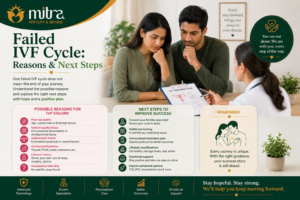
Failed IVF Cycle: Reasons & Next Steps
Blogs and Resources Failed IVF Cycle: Reasons & Next Steps Book Appointment Failed IVF Cycle: Reasons & Next Steps Introduction A failed IVF cycle can
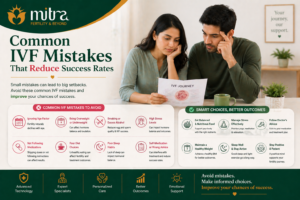
Common IVF Mistakes That Reduce Success Rates
Blogs and Resources Common IVF Mistakes That Reduce Success Rates Book Appointment Common IVF Mistakes That Reduce Success Rates Introduction IVF (In Vitro Fertilization) has
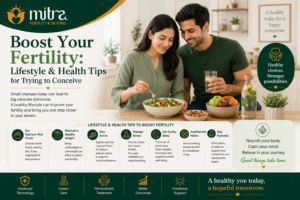
Boost Your Fertility: Lifestyle & Health Tips for Trying to Conceive
Blogs and Resources Boost Your Fertility: Lifestyle & Health Tips for Trying to Conceive Book Appointment Boost Your Fertility: Lifestyle & Health Tips for Trying
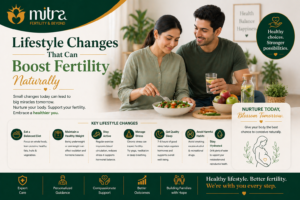
Lifestyle Changes That Can Boost Fertility Naturally
Blogs and Resources Lifestyle Changes That Can Boost Fertility Naturally Book Appointment Lifestyle Changes That Can Boost Fertility Naturally Introduction Fertility is not just about
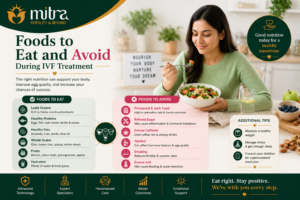
Foods to Eat and Avoid During IVF Treatment
Blogs and Resources Foods to Eat and Avoid During IVF Treatment Book Appointment Foods to Eat and Avoid During IVF Treatment Introduction When undergoing IVF
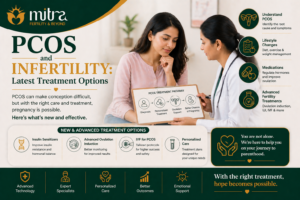
PCOS and Infertility: Latest Treatment Options
Blogs and Resources PCOS and Infertility: Latest Treatment Options Book Appointment PCOS and Infertility: Latest Treatment Options Introduction Polycystic Ovary Syndrome (PCOS) is one of
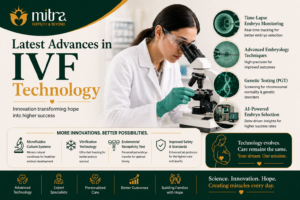
Latest Advances in IVF Technology
Blogs and Resources Latest Advances in IVF Technology Book Appointment Latest Advances in IVF Technology Introduction IVF (In Vitro Fertilization) has come a long way